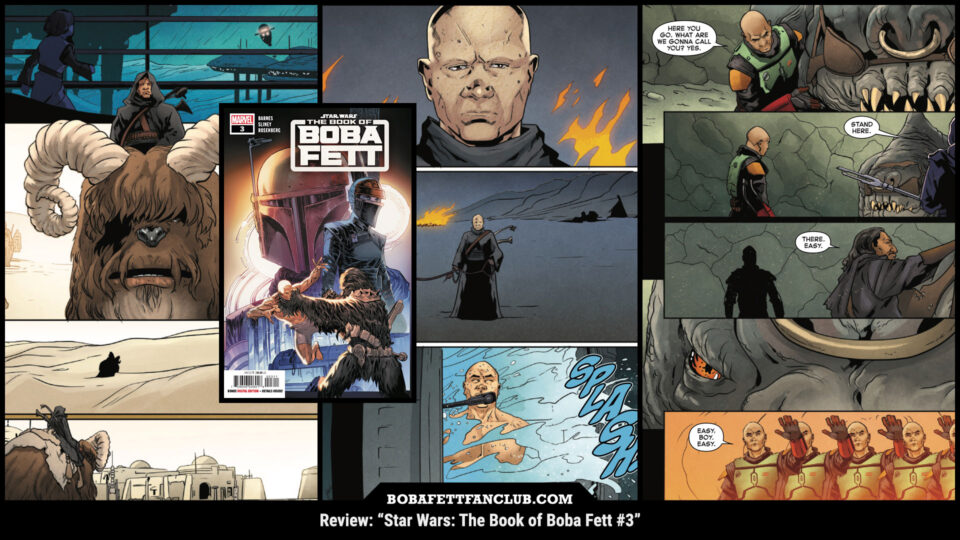
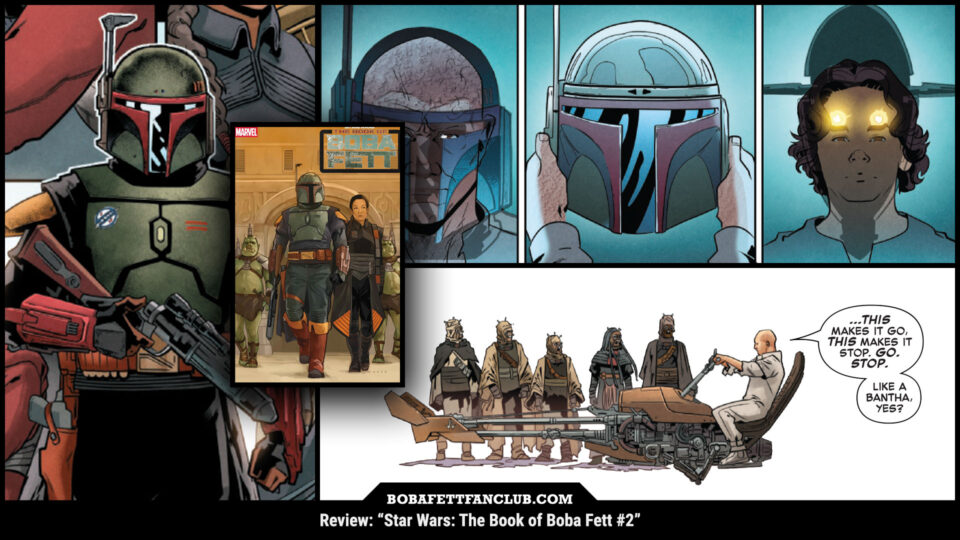
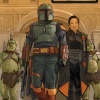
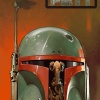
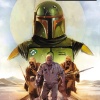
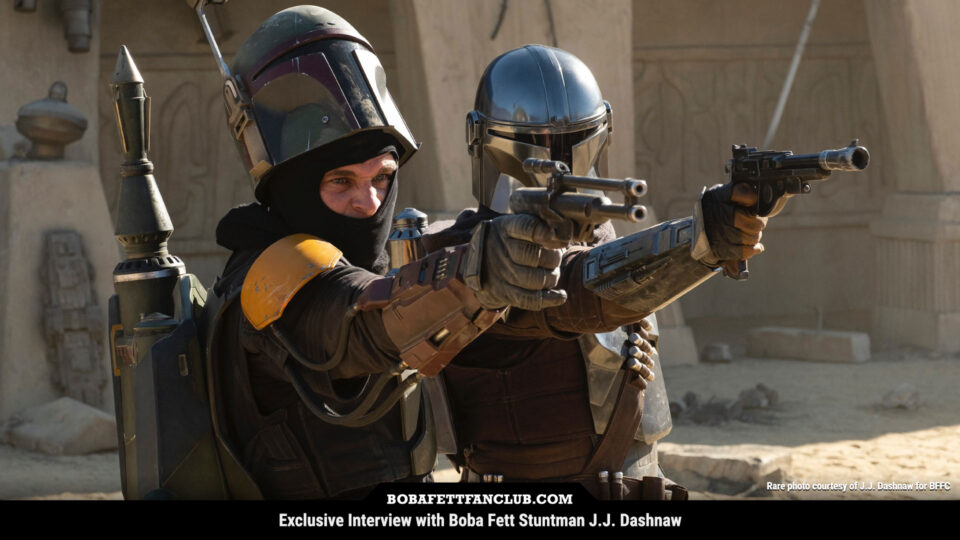
Marvel’s The Book of Boba Fett #1 is faithful to the show. I wish it were a little less faithful.
I probably cannot review a Boba Fett comic completely objectively, and I am not going to pretend otherwise.
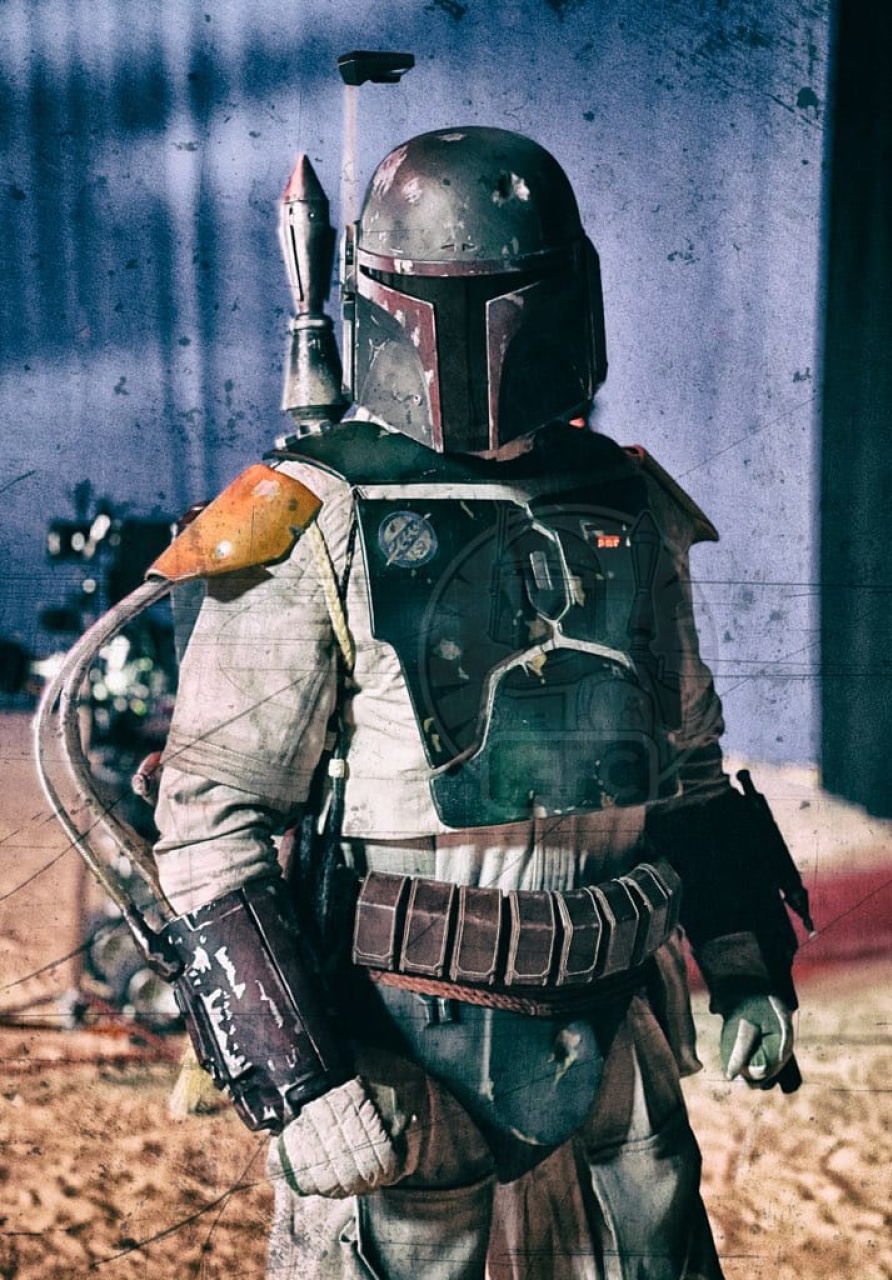
Star Wars was the first movie I ever saw in a theater. I was five years old, and it ended up setting the direction for more parts of my life than I could have imagined at the time. Boba Fett became my favorite character almost from the beginning, starting with his appearance in the Star Wars Holiday Special. I still have my original mail-away Kenner Boba Fett figure and the box it arrived in, from the promotion that famously advertised the rocket-firing backpack that never actually made it into kids’ hands.
For me, Fett was never just the cool armor. It was the way he carried himself, the way he moved, how little he talked, and the fact that everyone around him seemed to understand exactly how dangerous he was without the movies ever stopping to explain why. Darth Vader could command a room full of bounty hunters, but Boba Fett was the one Vader specifically warned against disintegrations. When Fett challenged Vader over Han Solo, he did not grovel or shrink away. He simply expected to be compensated if Vader damaged his quarry.
He had presence.
The original trilogy never needed to tell us that Fett was one of the most dangerous people in the galaxy. It simply behaved as though everyone already knew it.
That history inevitably colors how I approach The Book of Boba Fett, both the television series and now Marvel’s comic adaptation.
An older Boba Fett
One of my biggest disappointments with the television series when it aired was that this was not quite the Boba Fett I had spent decades imagining. The cold, economical bounty hunter was largely gone. This Boba talked more, explained himself more, and repeatedly found himself reacting to events rather than controlling them. At times, the aura of danger that had surrounded him since The Empire Strikes Back seemed to have evaporated.
I still think the series struggled badly with the execution of that change, but since the show originally aired I have come to appreciate the idea behind it considerably more.
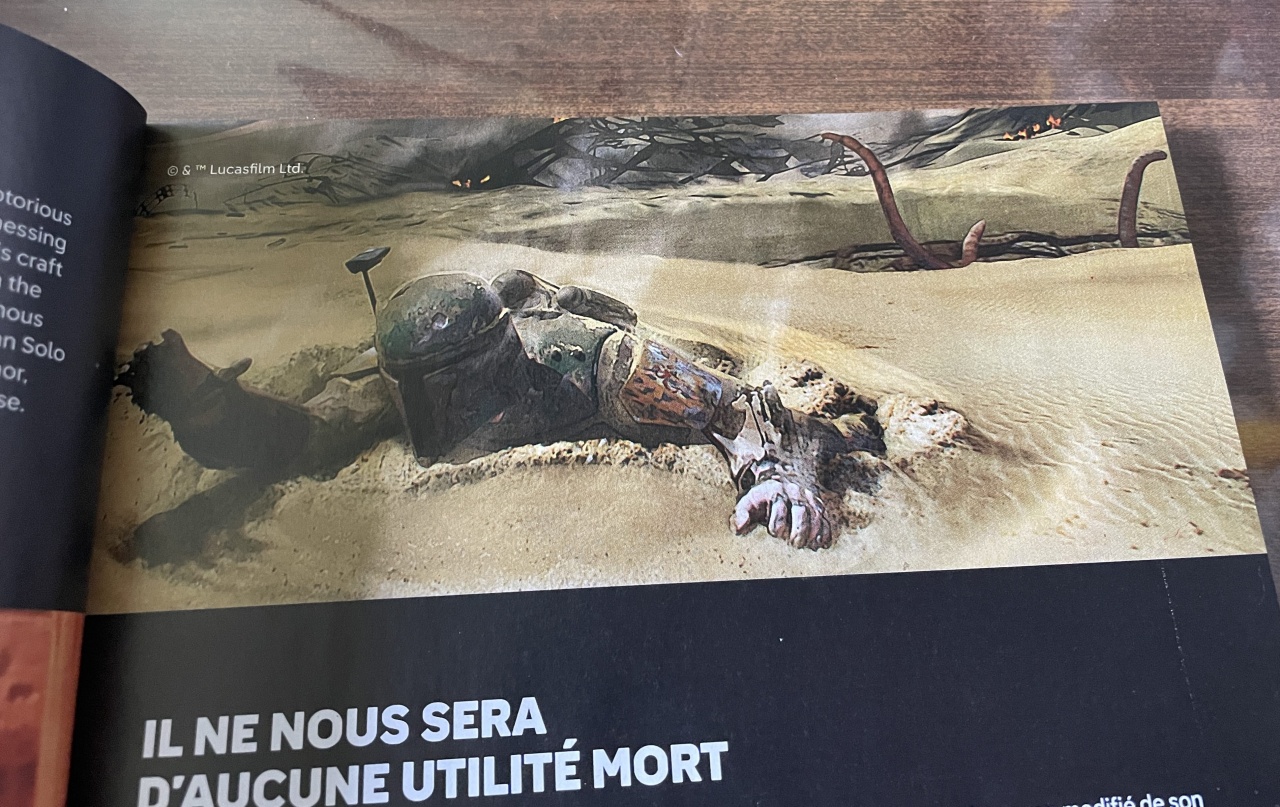
This is an older man who has spent his entire life fighting. He has been a bounty hunter, mercenary and hired gun. He has worked for criminals and governments, built one of the most feared reputations in the galaxy, nearly died in the process, and literally had to claw his way out of a monster’s stomach to get another chance at life.
Maybe a man like that eventually asks what all of it was for.
The Boba Fett we meet after the Sarlacc does not seem ready to retire. That would probably never suit him. But perhaps he is ready to stop selling his abilities to someone else. He wants territory of his own, people of his own, and some return on the reputation and power he has accumulated along the way. He wants, in a sense, to collect some interest on what he spent a lifetime building.
That is an interesting Boba Fett story. It is also an idea I never felt the television series explored as deeply or coherently as it deserved, which is one reason I was particularly interested when Marvel announced that The Book of Boba Fett would be adapted into comics.
The story we already know
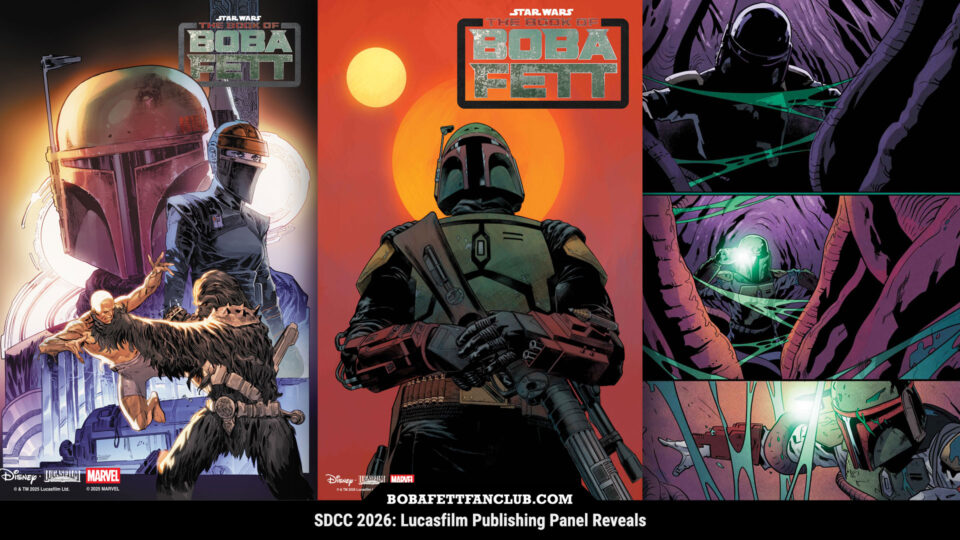
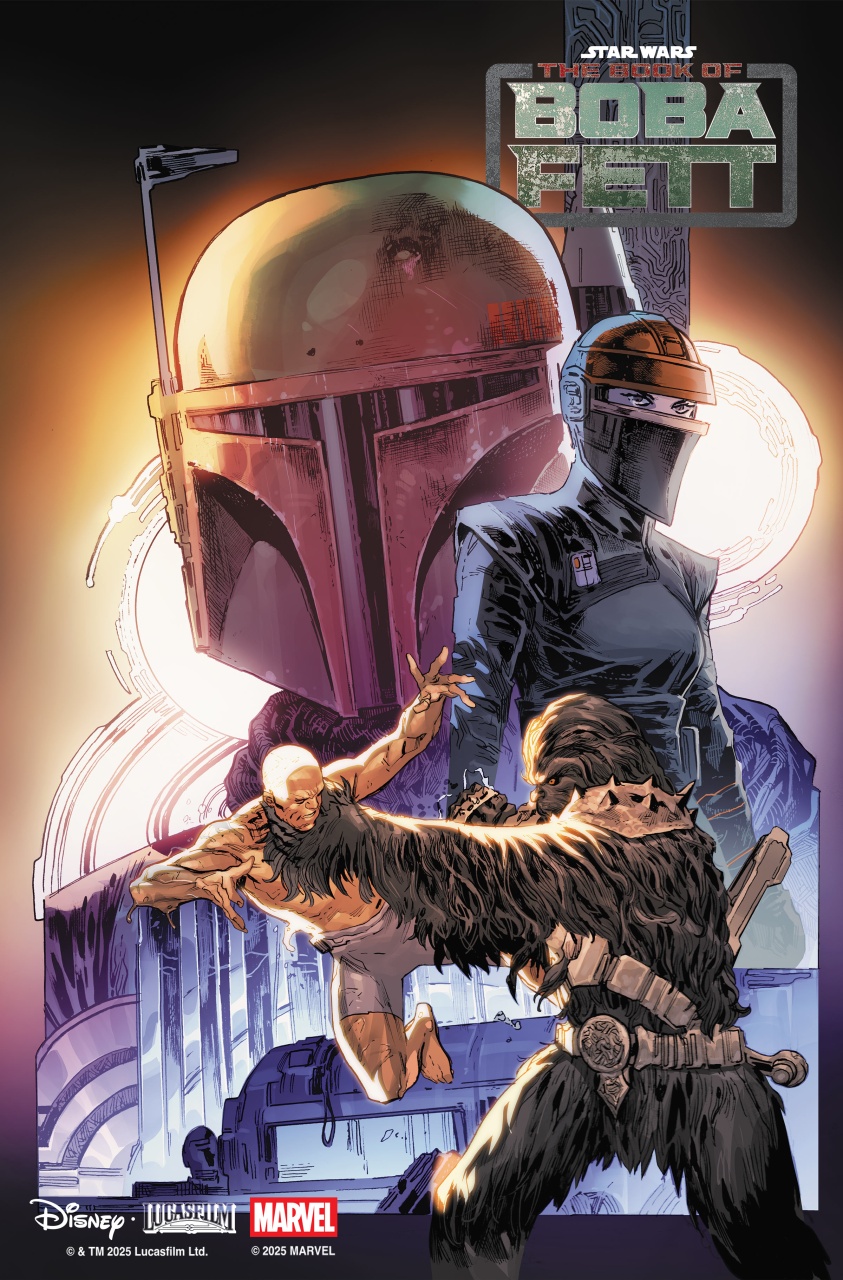
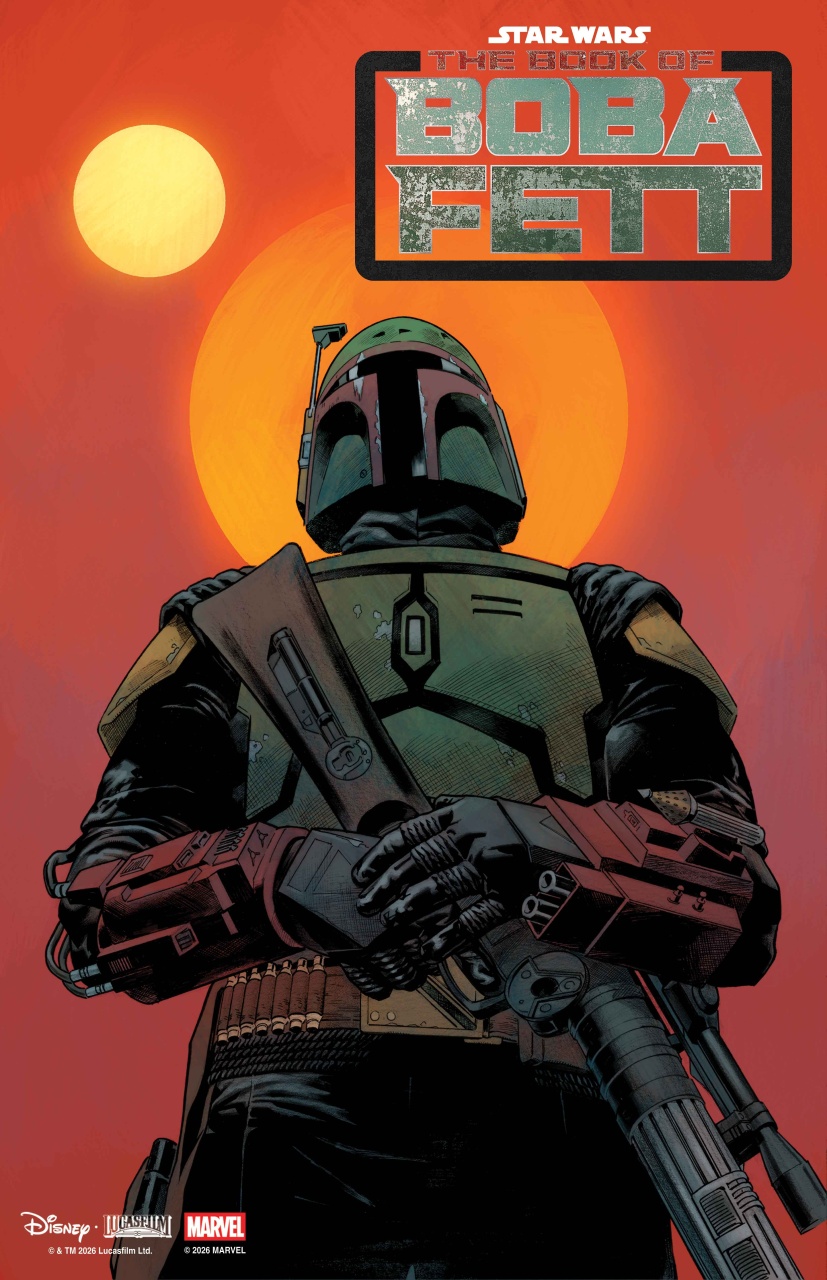
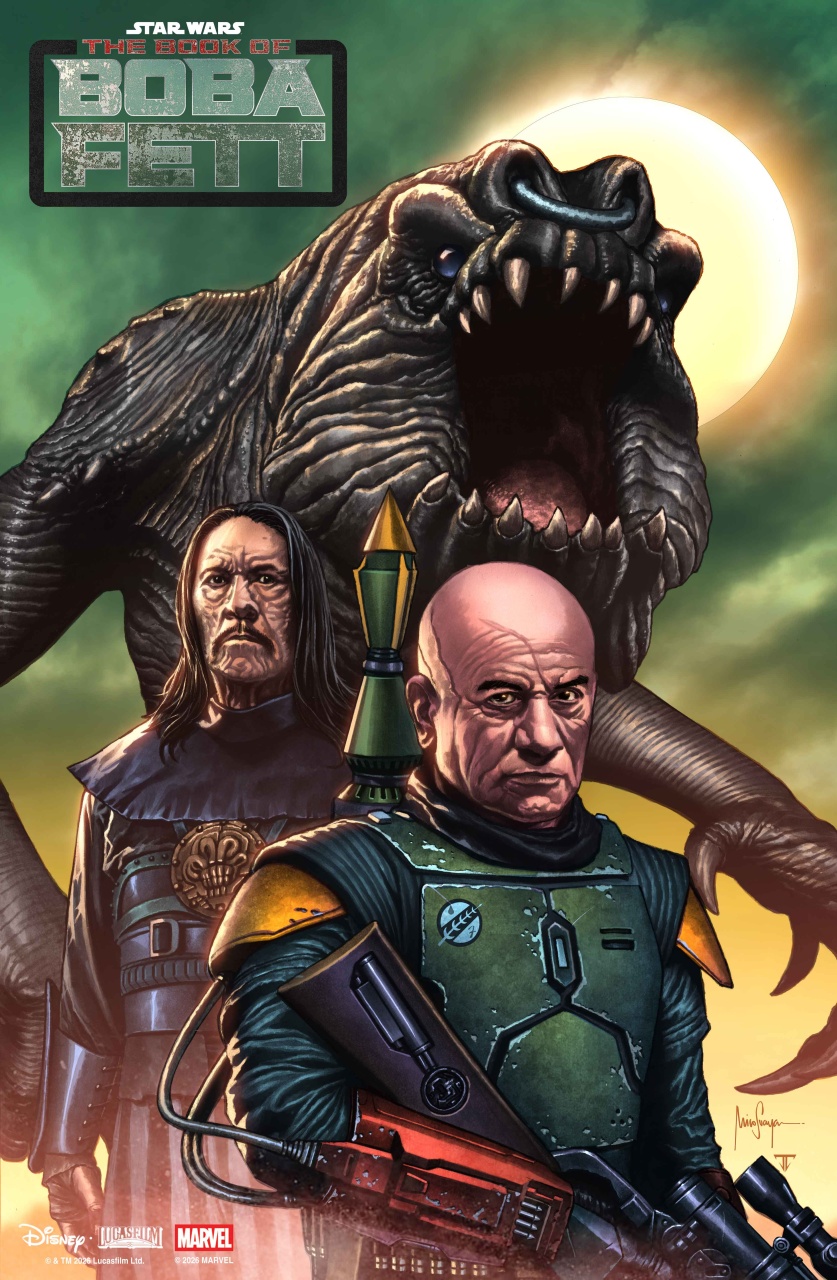
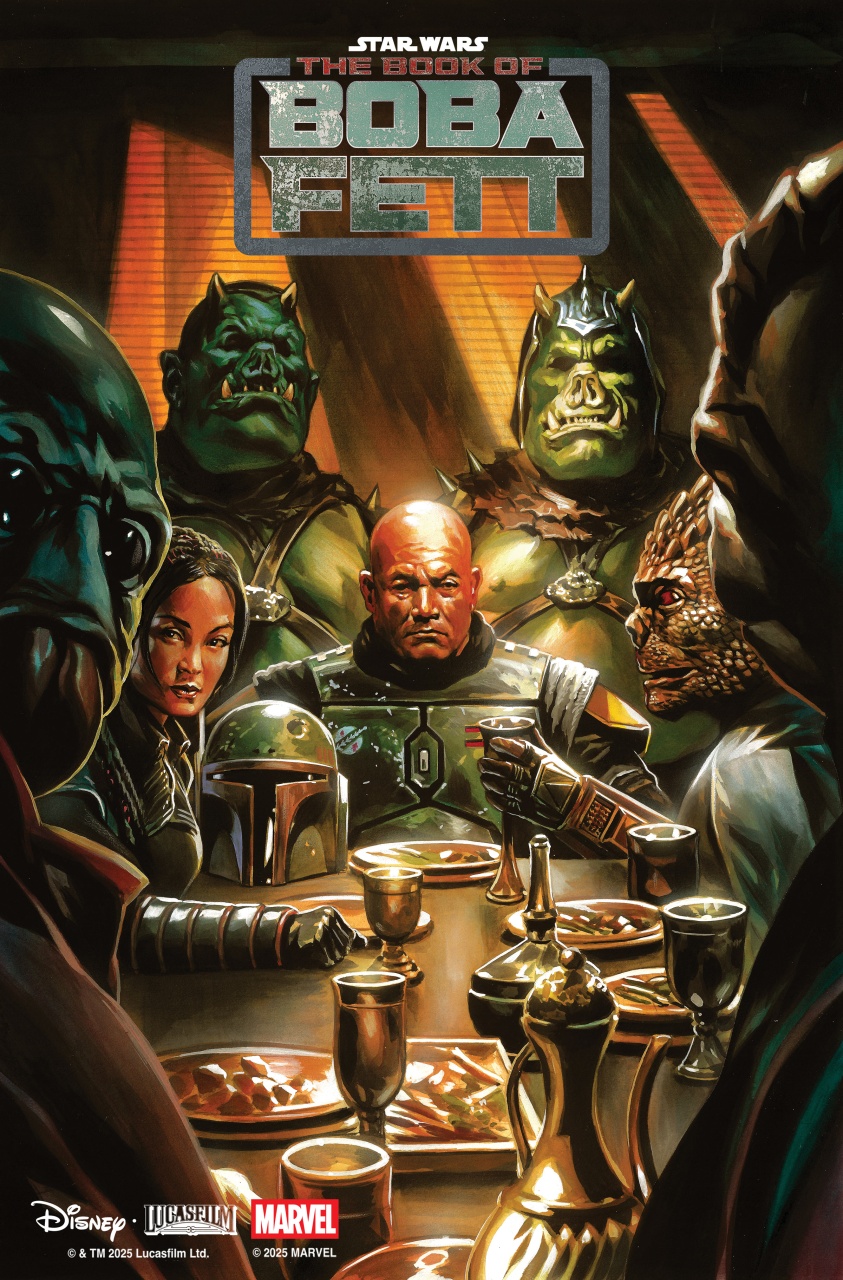
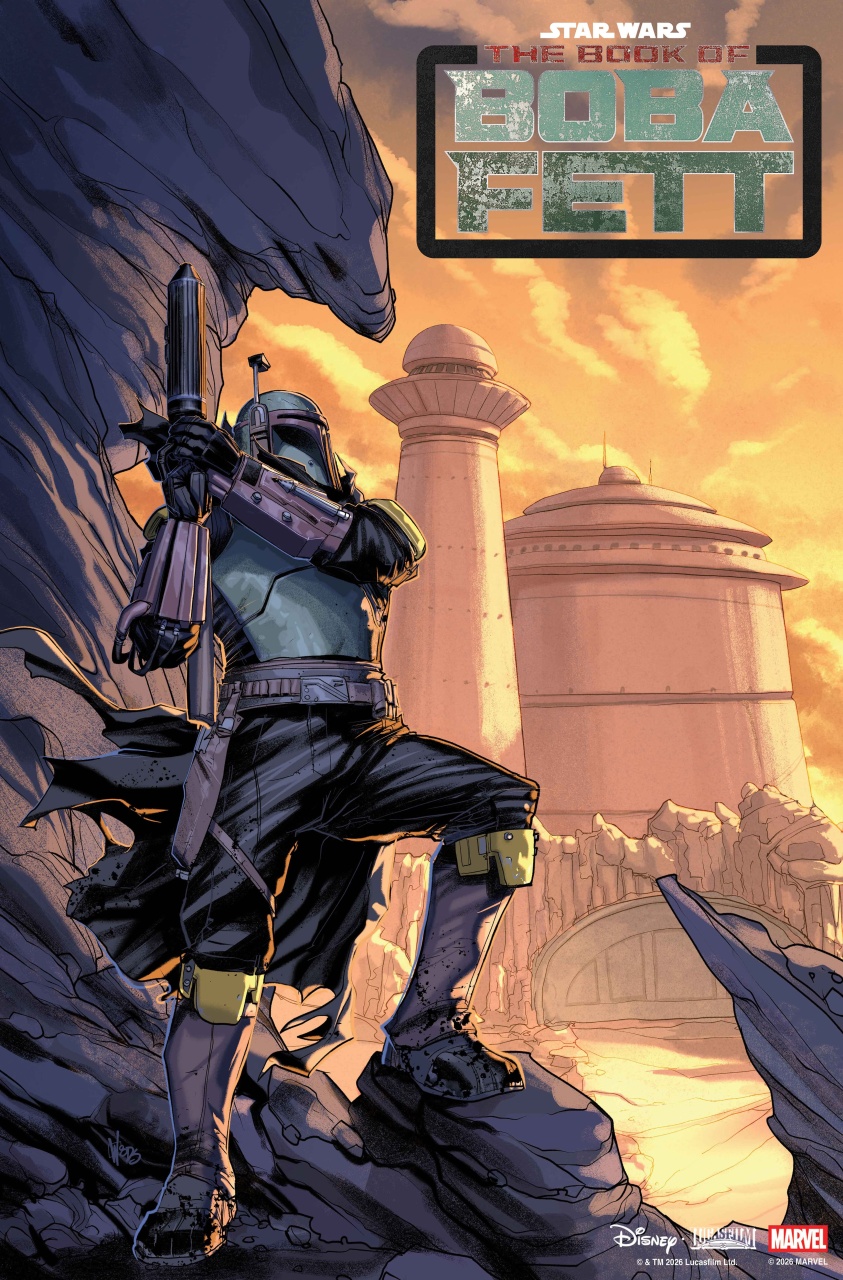
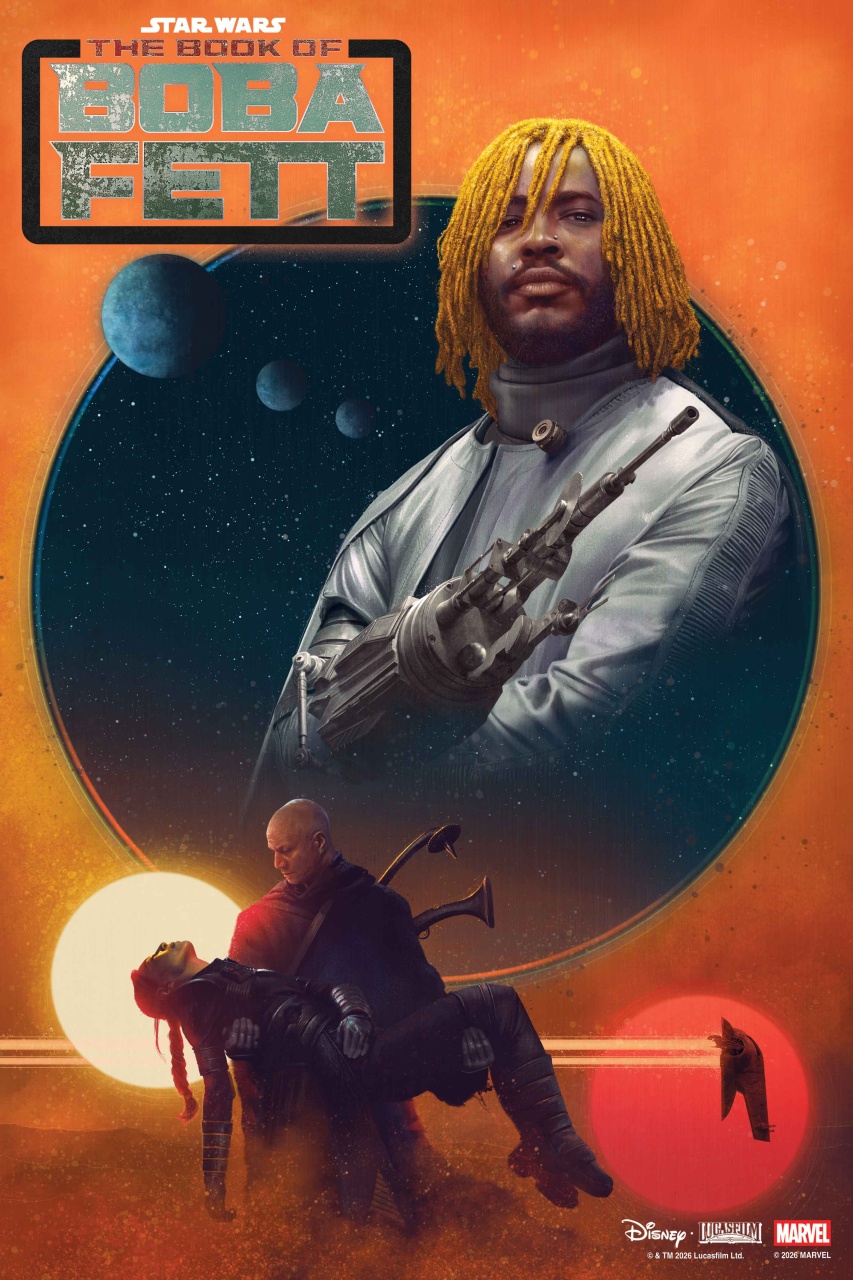
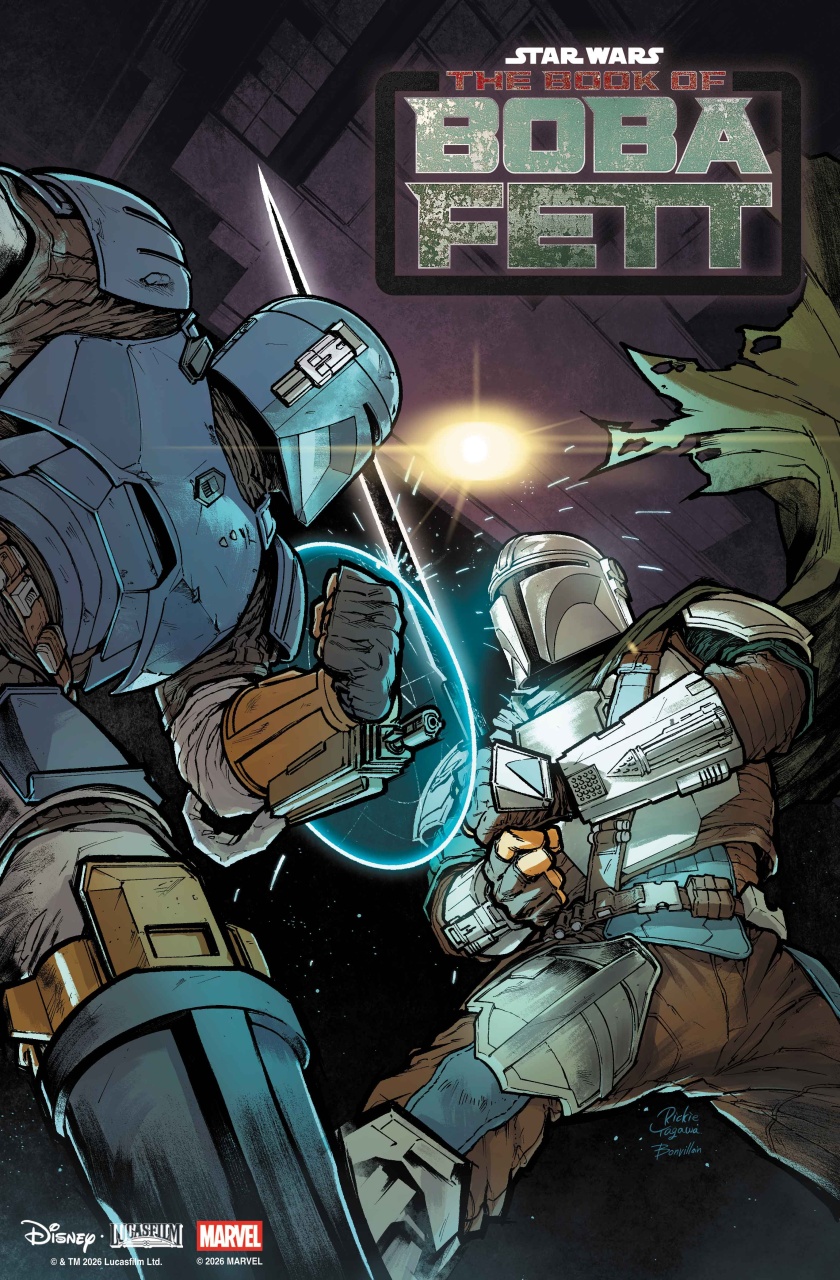
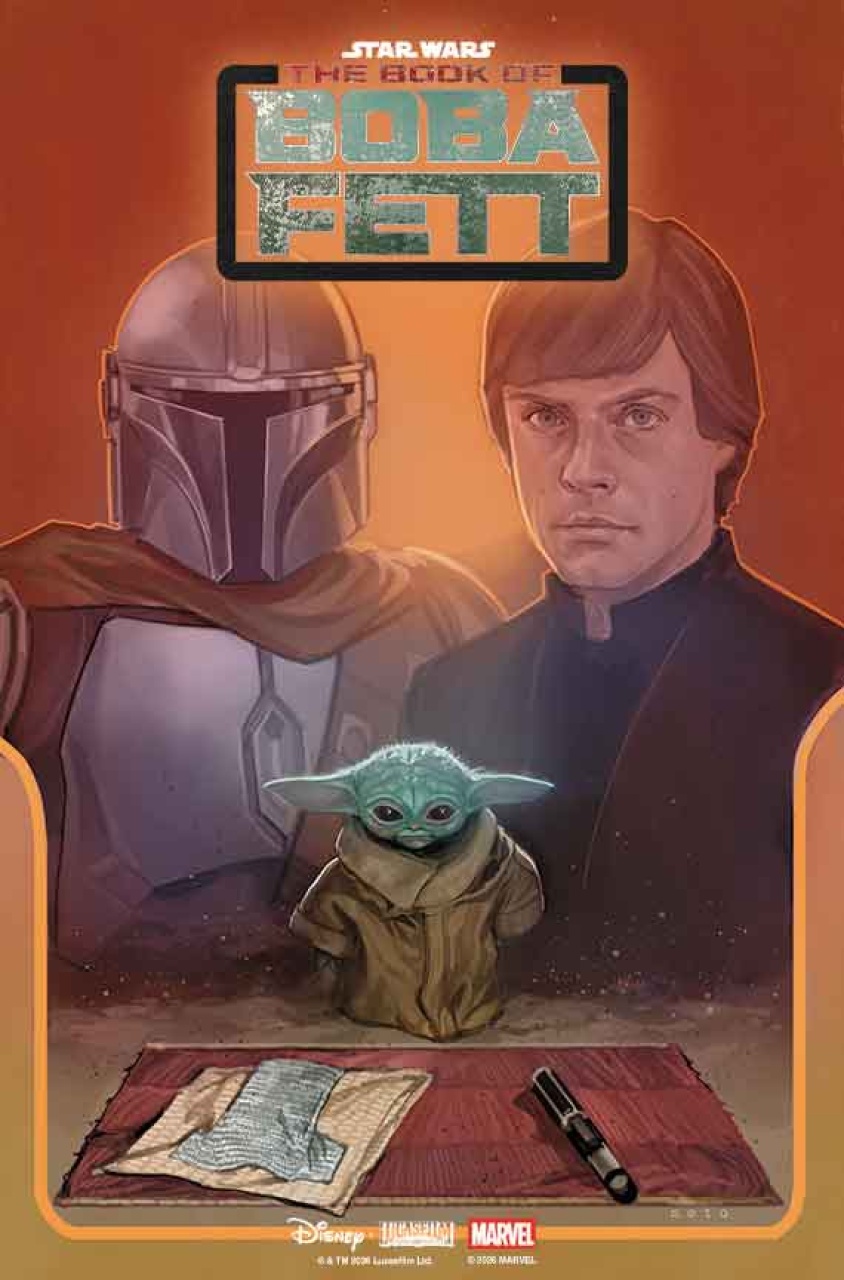
Issue #1 adapts the television show’s opening chapter, “Stranger in a Strange Land,” with Rodney Barnes writing, Will Sliney on art, Rachelle Rosenberg coloring and VC’s Joe Caramagna lettering. Alex Maleev provides the main cover.
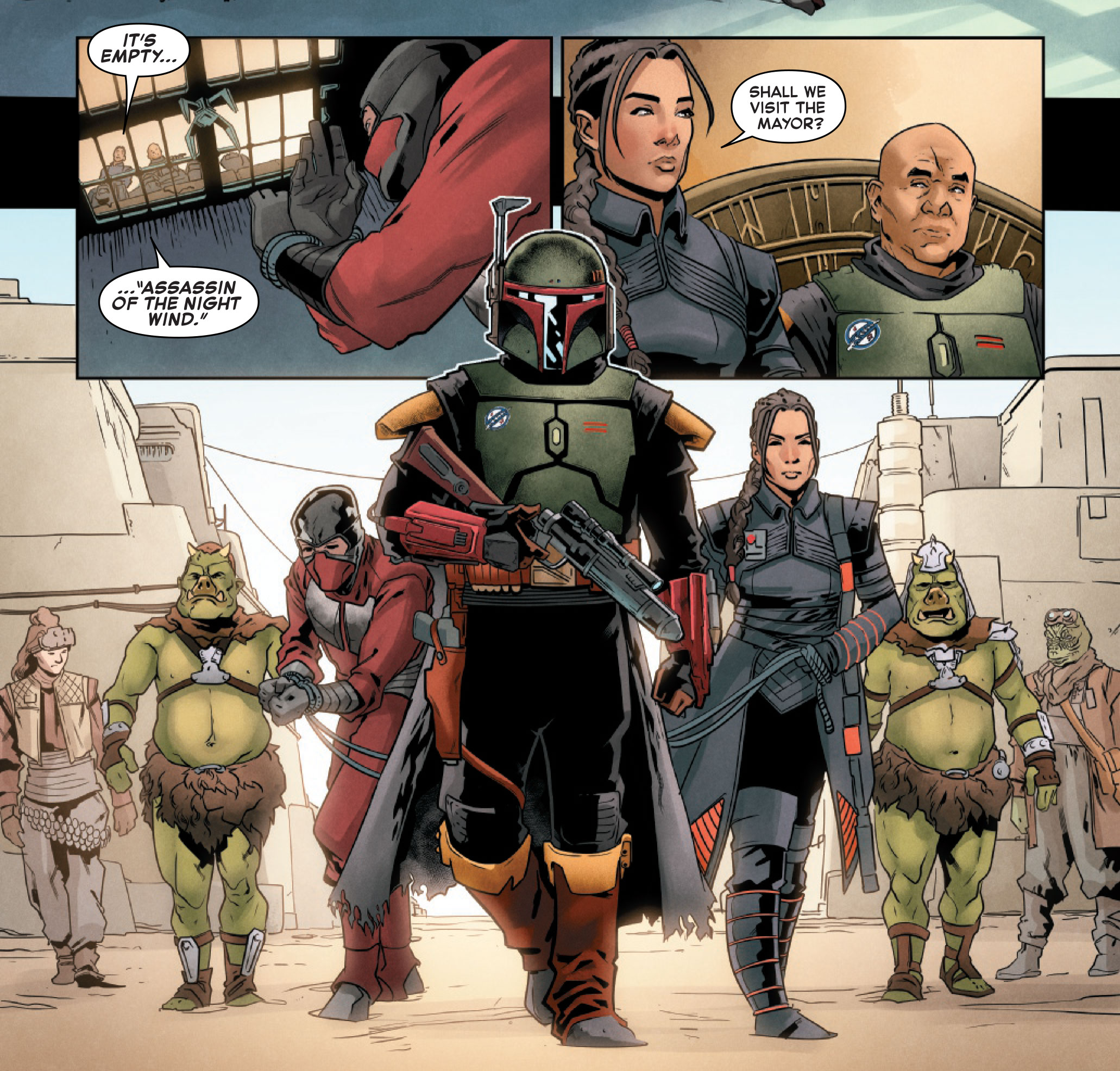
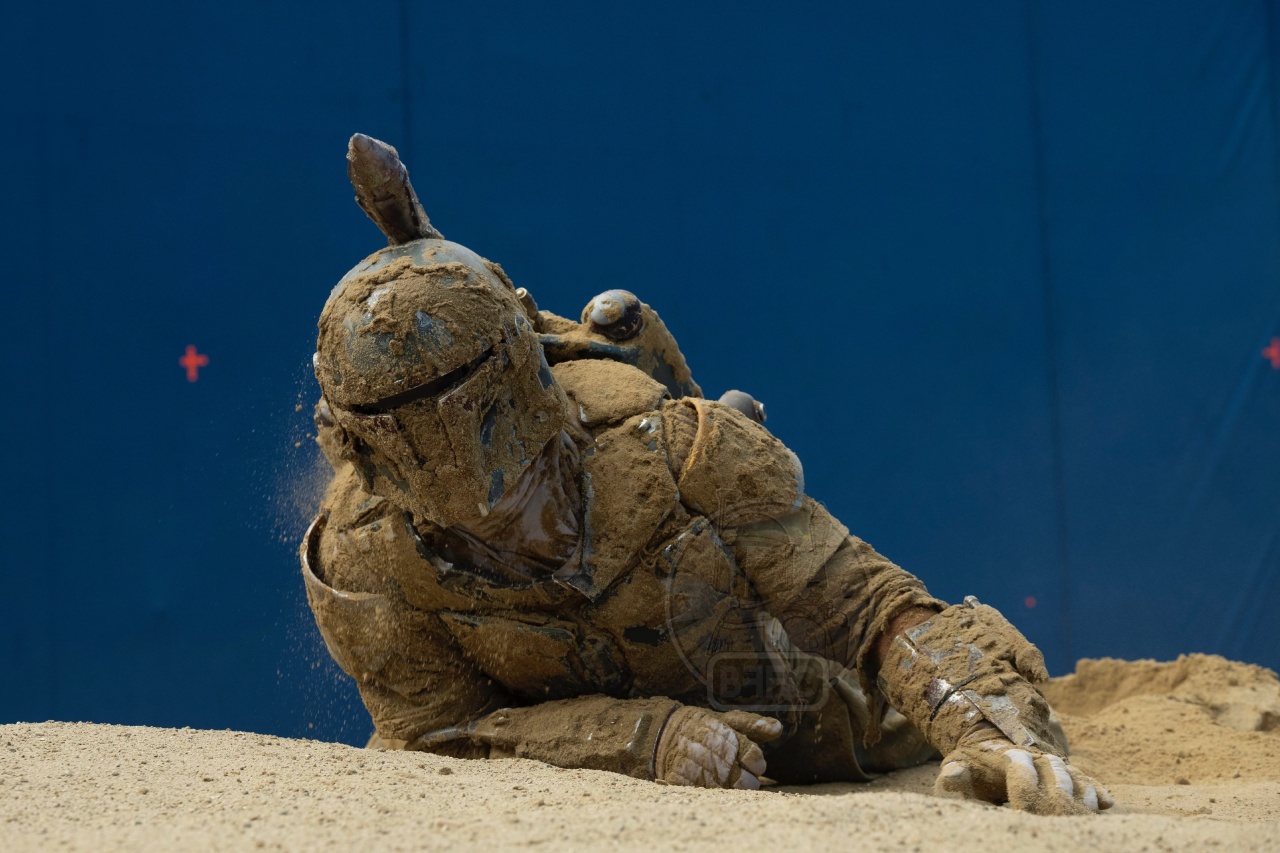
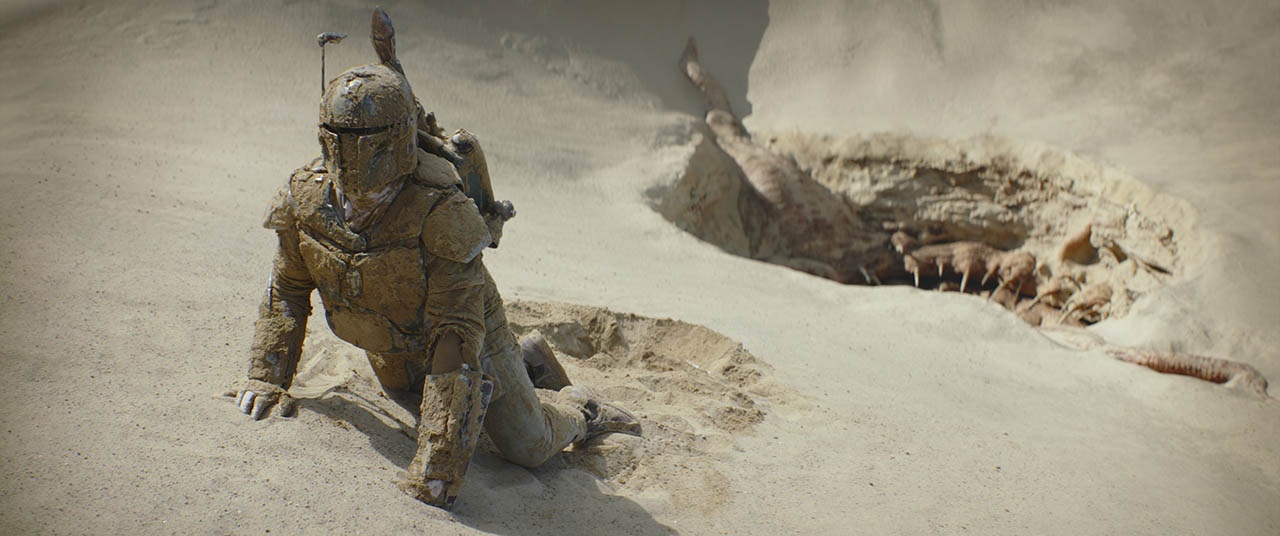
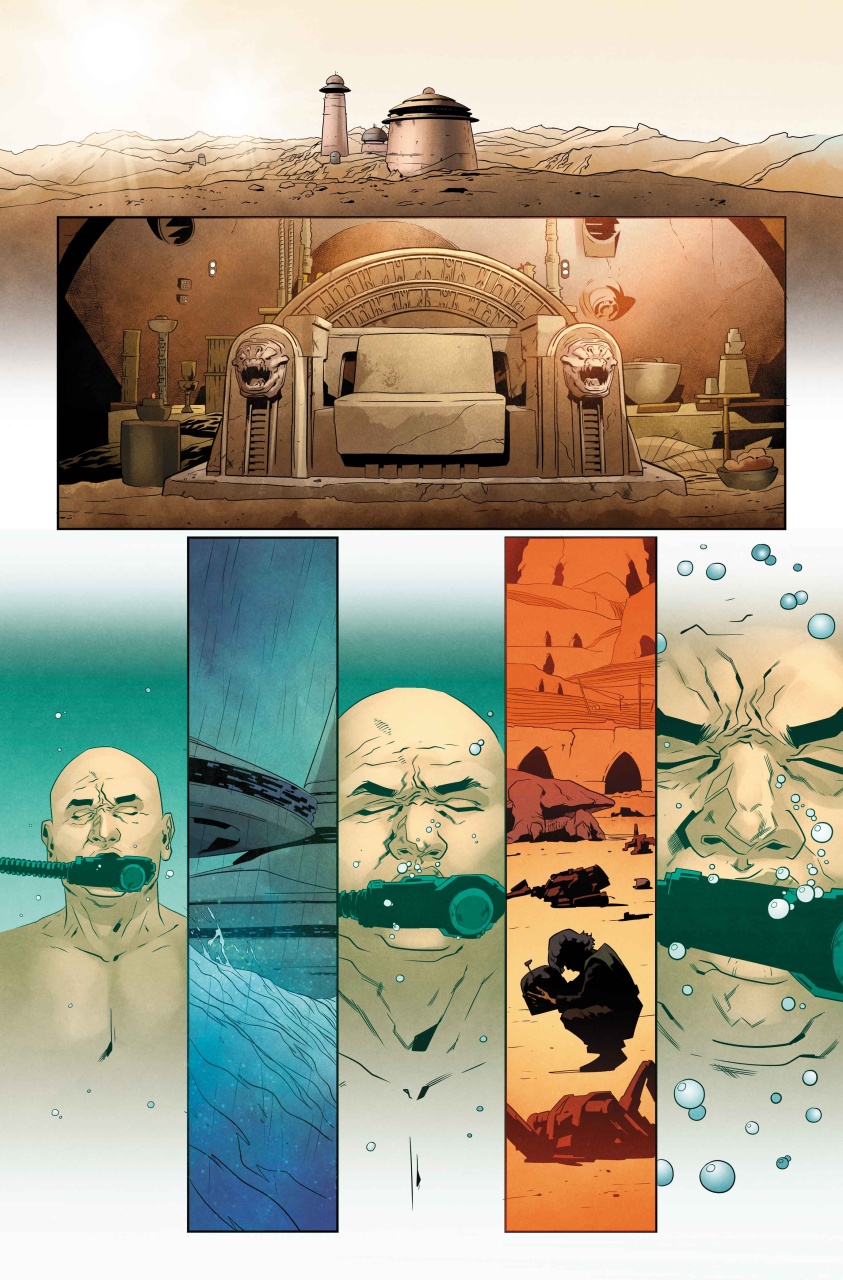
If fidelity is the goal, the creative team succeeds. This is very recognizably the first episode of The Book of Boba Fett. Boba awakens in the Bacta tank, we return to his escape from the Sarlacc and capture by the Tuskens, and in the present he and Fennec begin the awkward process of replacing Jabba and Bib Fortuna as the new power in Mos Espa.
If you liked the plot and pacing of the television episode, there is a good chance you will enjoy experiencing it again this way.
My main reservation is that it tells the story very well, but I am not sure it tells us much more.
What can an adaptation add?
I was never expecting Barnes and Sliney to rewrite The Book of Boba Fett. A licensed adaptation has boundaries. It needs to remain recognizably the same story, and any additions have to coexist with what happened on screen.
But some of my favorite Star Wars adaptations have understood that fidelity does not require transcription.
One example that has stuck with me for decades comes right at the beginning of Steve Perry’s Shadows of the Empire. It revisits the familiar holographic conversation between Darth Vader and the Emperor from The Empire Strikes Back, except this time we are on the Emperor’s side of the call. Standing just outside Vader’s view is Prince Xizor, listening to the entire conversation.
It is such a small addition. Nothing about the movie scene needs to change. Vader still says what he said, the Emperor still responds as he did, and the story we already know remains intact. But when I first read it, the idea that Xizor had been standing there the whole time blew my mind. Suddenly there was another layer to a scene I knew by heart and another player occupying a part of the story the camera simply had not shown us. Whatever my feelings about the rest of Shadows of the Empire, that opening remains one of my favorite examples of how an adaptation or expanded story can enrich familiar material without stepping on it.
That is more or less what I hoped this comic might do.
There are plenty of spaces available. What is Boba thinking as he sits on Jabba’s throne? What does Fennec really make of this transition from bounty hunter to would-be ruler? How much of Boba’s new philosophy comes directly from what happened after the Sarlacc? Were there small encounters during his captivity that changed how he thought about loyalty, community or strength?
None of that requires rewriting the series. A few panels could do it. An occasional caption or brief scene between two familiar moments could do it.
Issue #1 mostly declines that opportunity. That may change as the adaptation progresses, but for now it is much closer to a scene-correct retelling than an expansion of the material.
Where the adaptation really works
Ironically, the comic is at its best when it has no choice but to translate the television series rather than reproduce it.
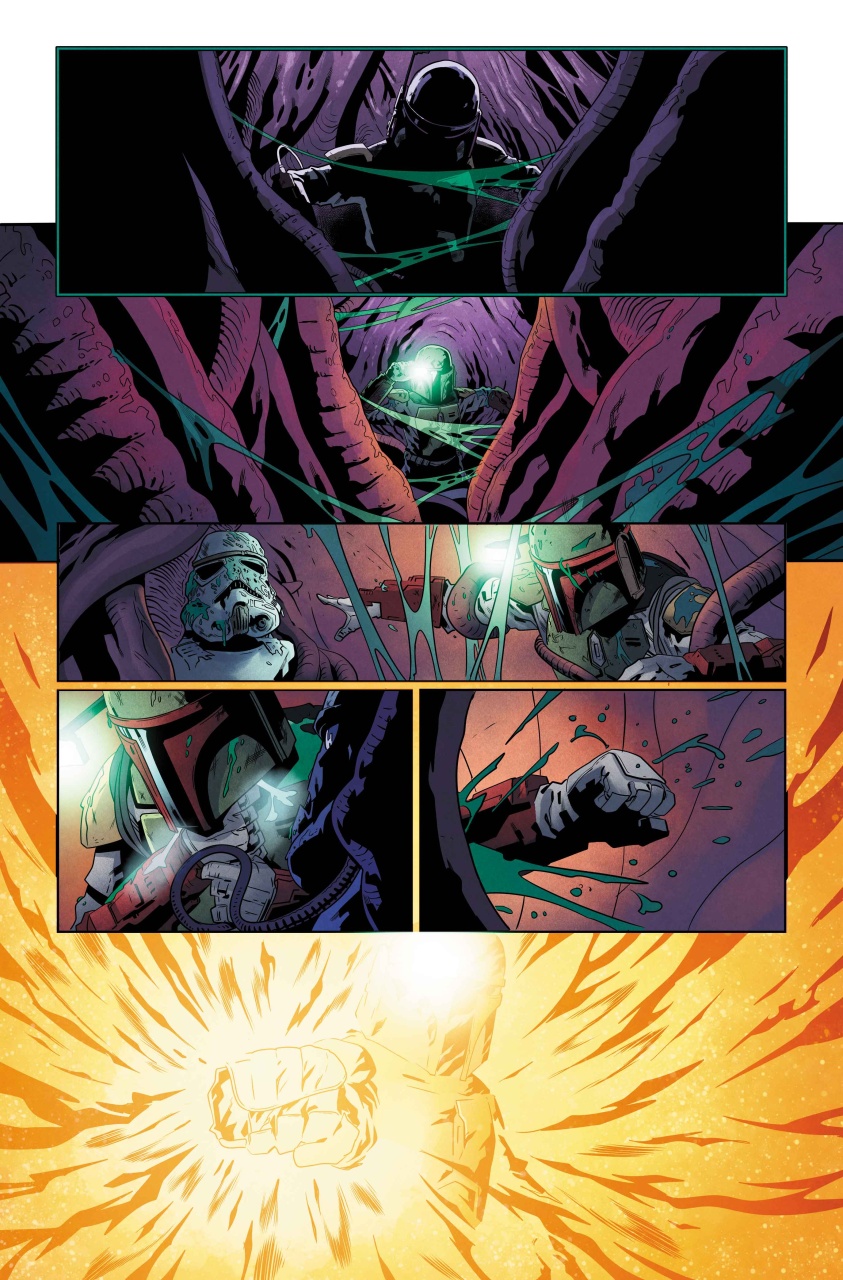
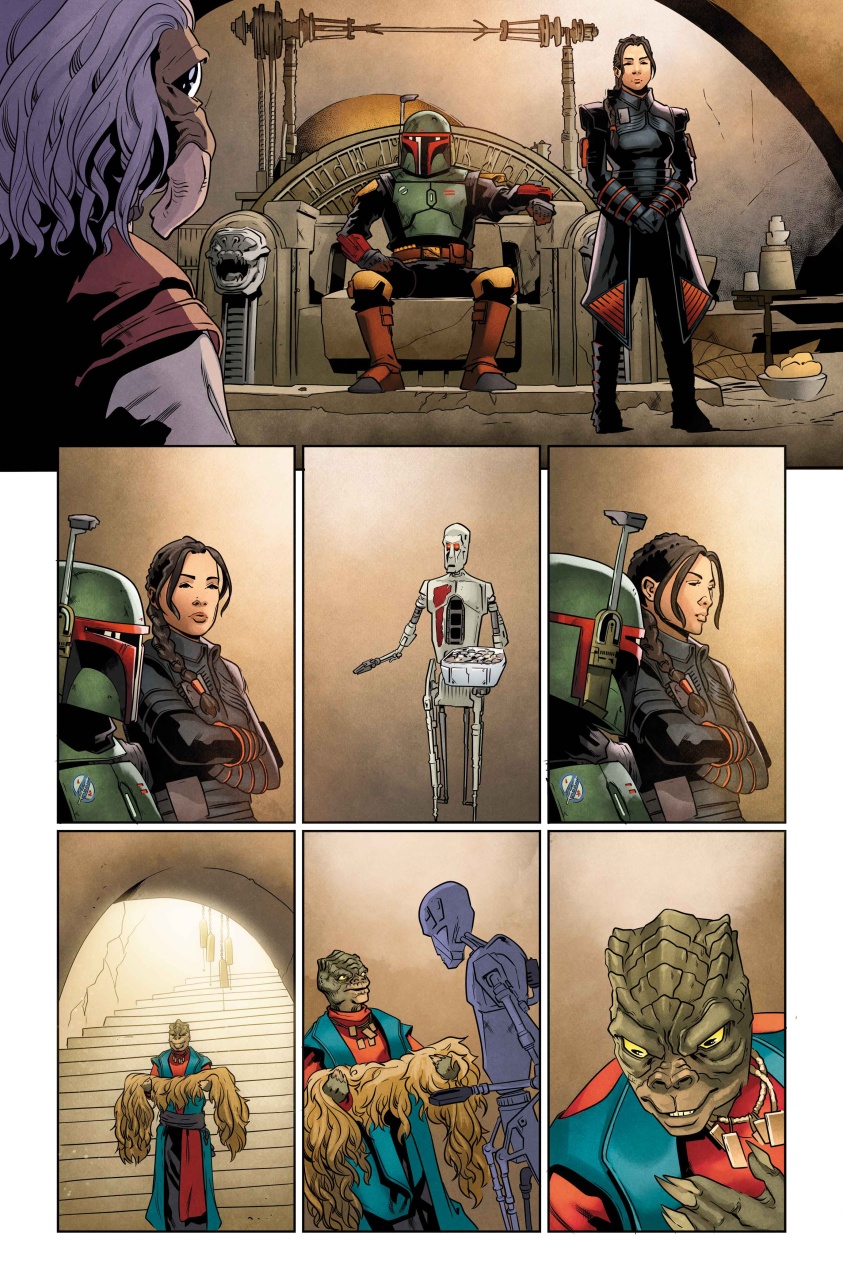
The opening Sarlacc sequence is excellent comics storytelling. Sliney changes panel dimensions and perspective constantly, isolates details in narrow panels and allows larger images to establish Boba’s environment while smaller beats convey his desperate progress. Rosenberg moves from the sickly interior of the Sarlacc to the nearly bleached landscape of Tatooine. There is very little dialogue carrying the sequence because there does not need to be.
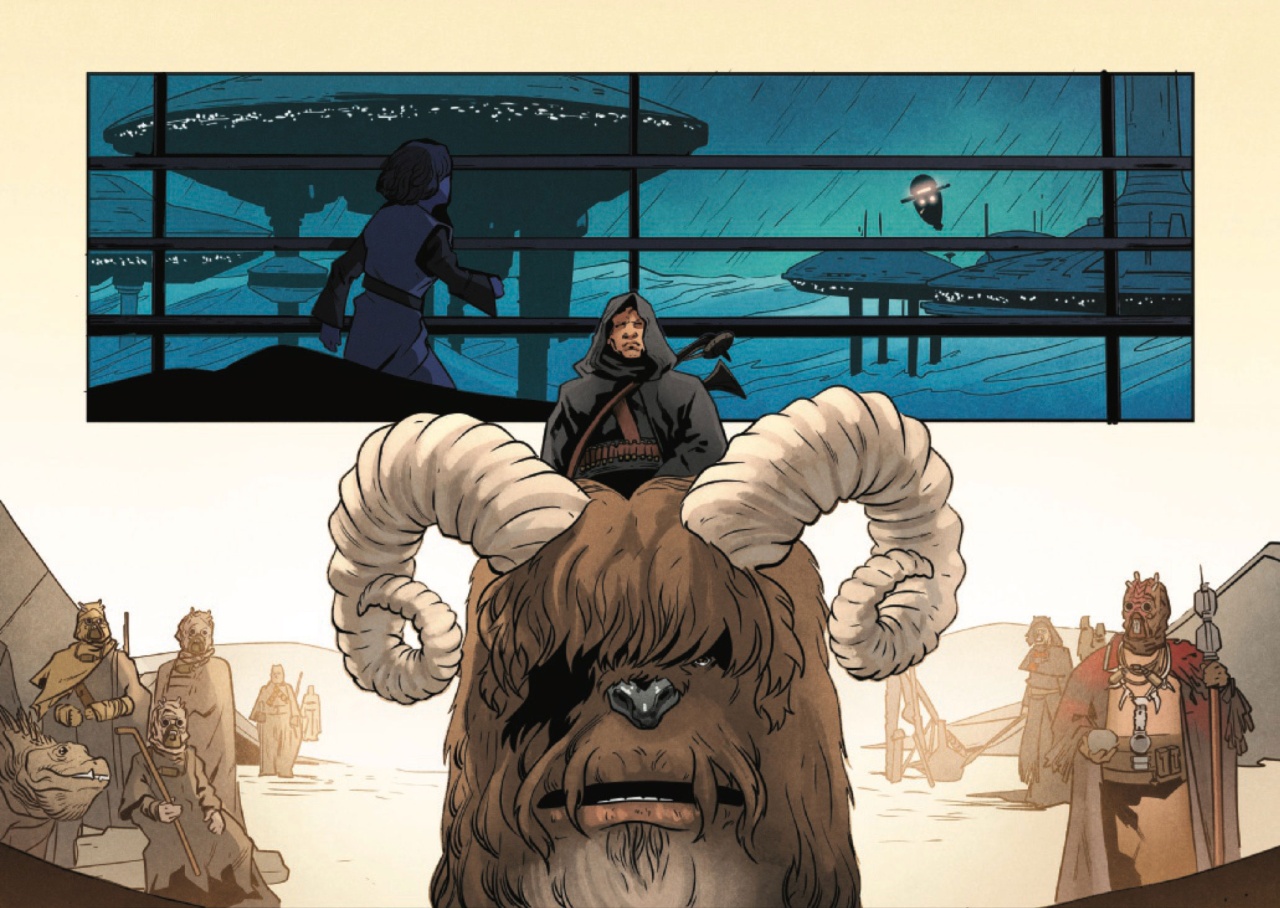
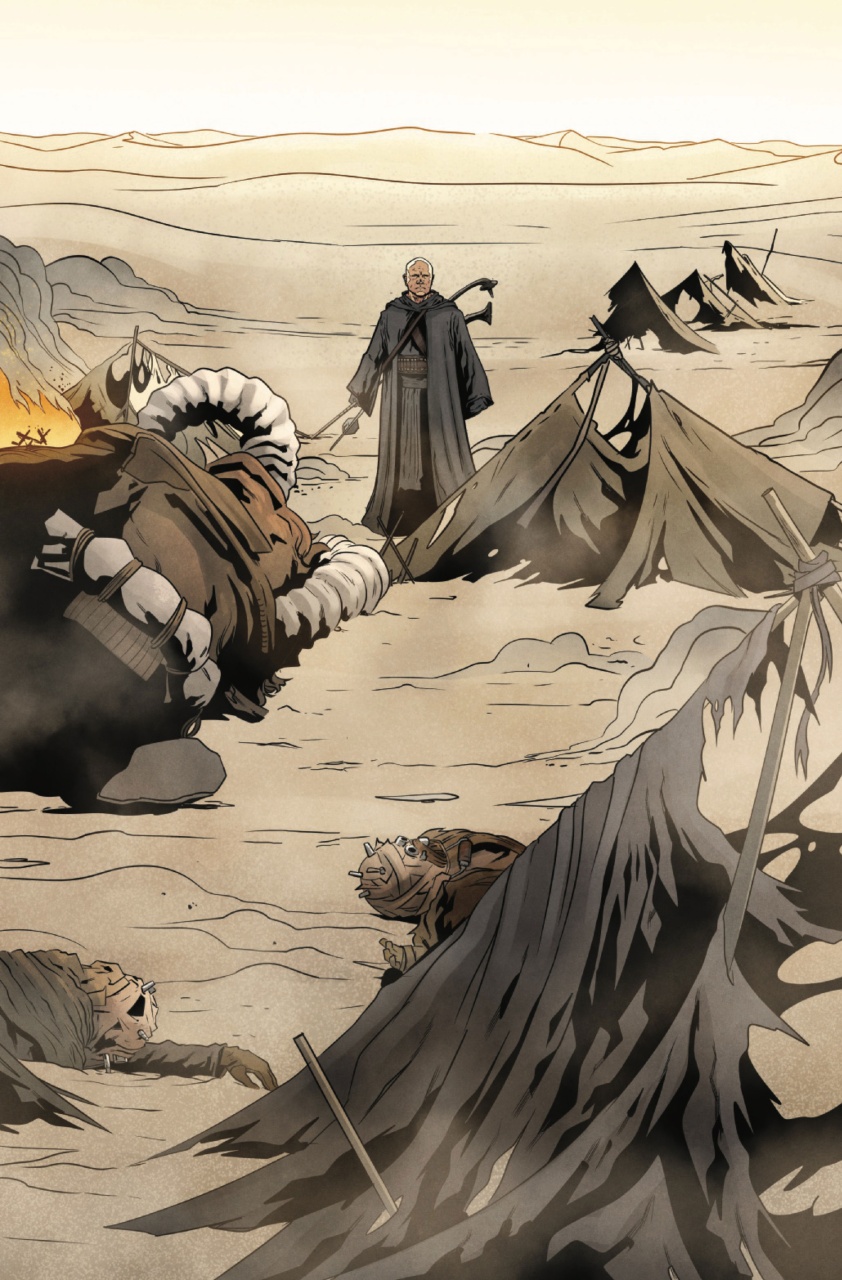
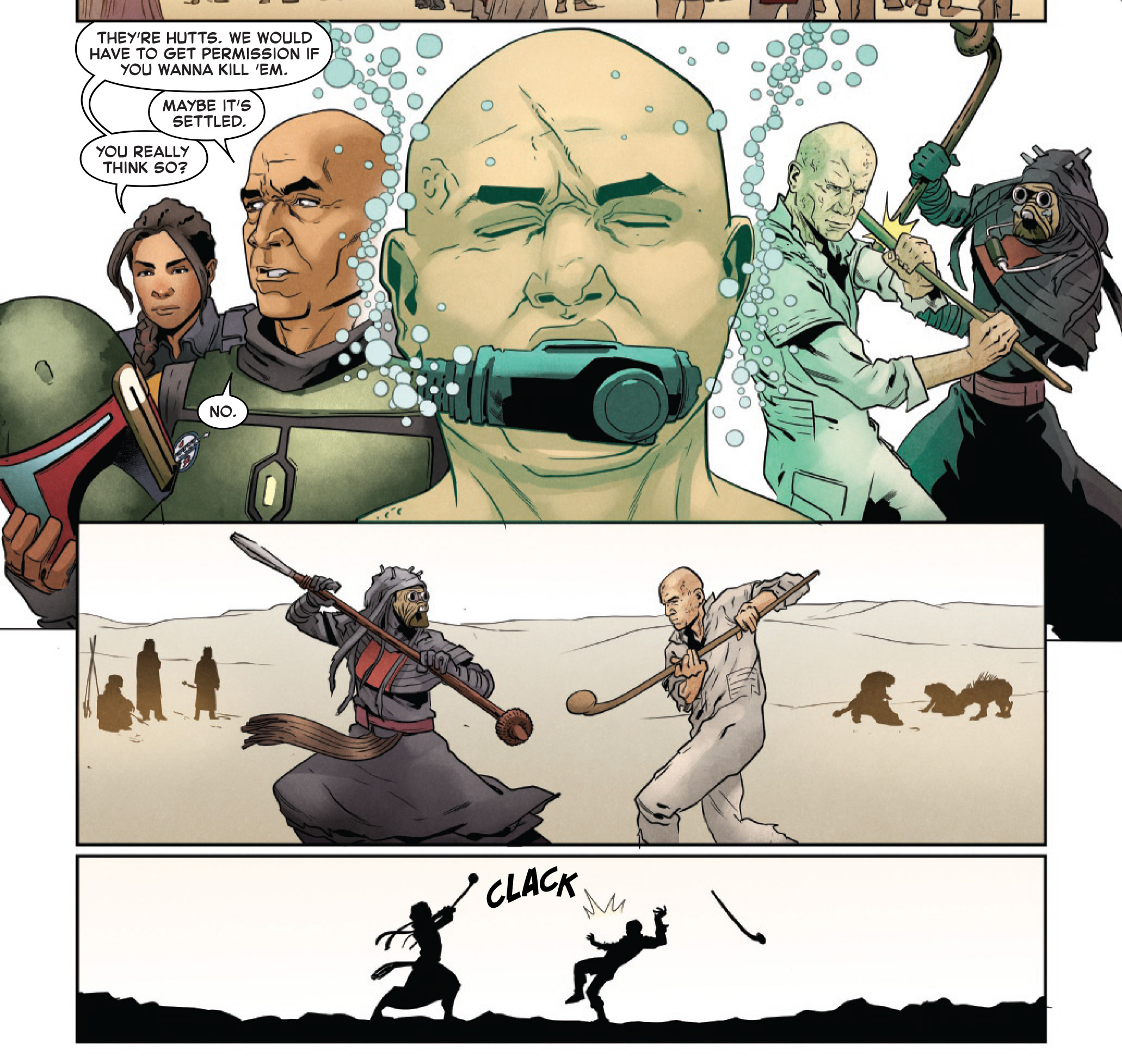
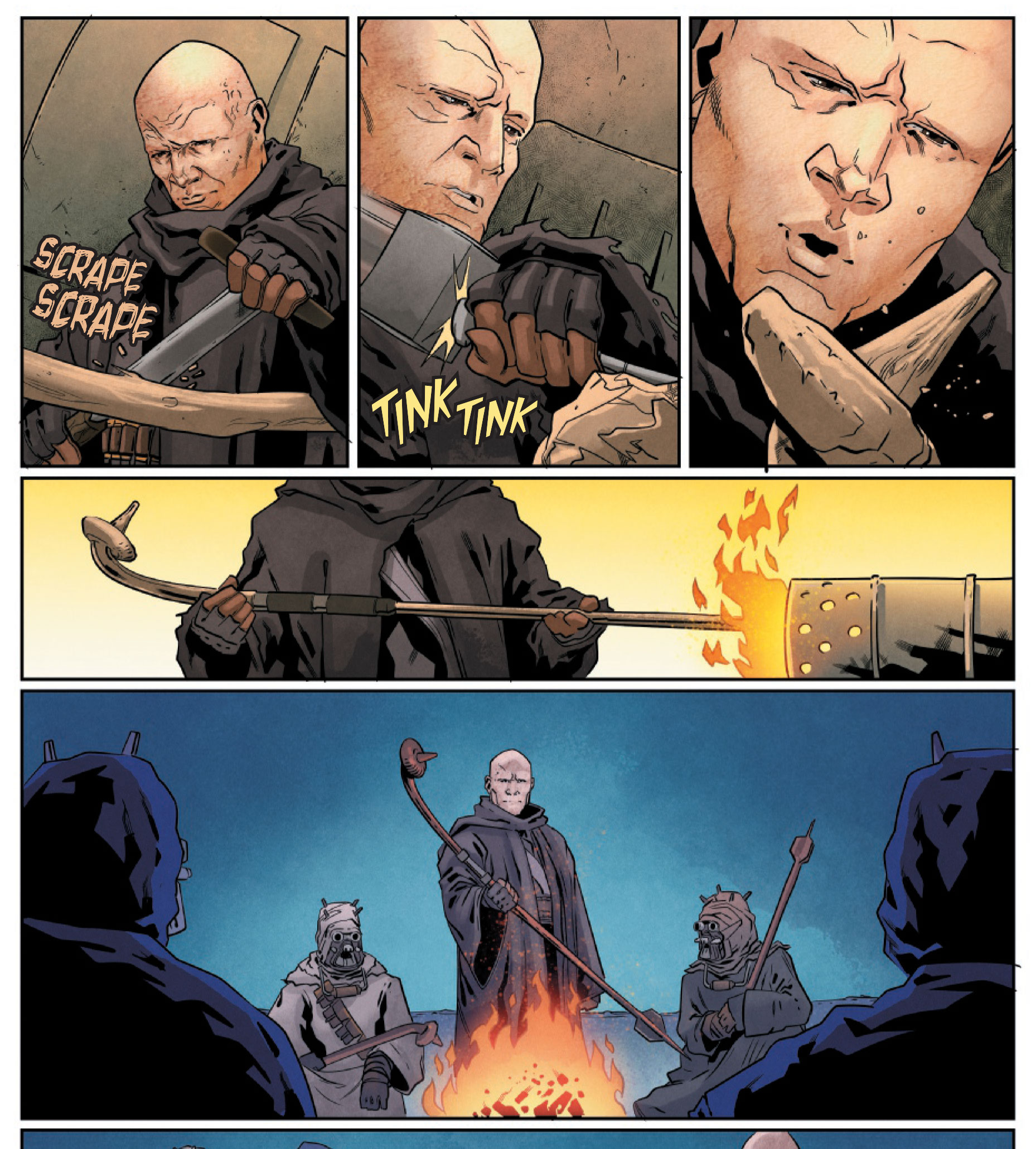
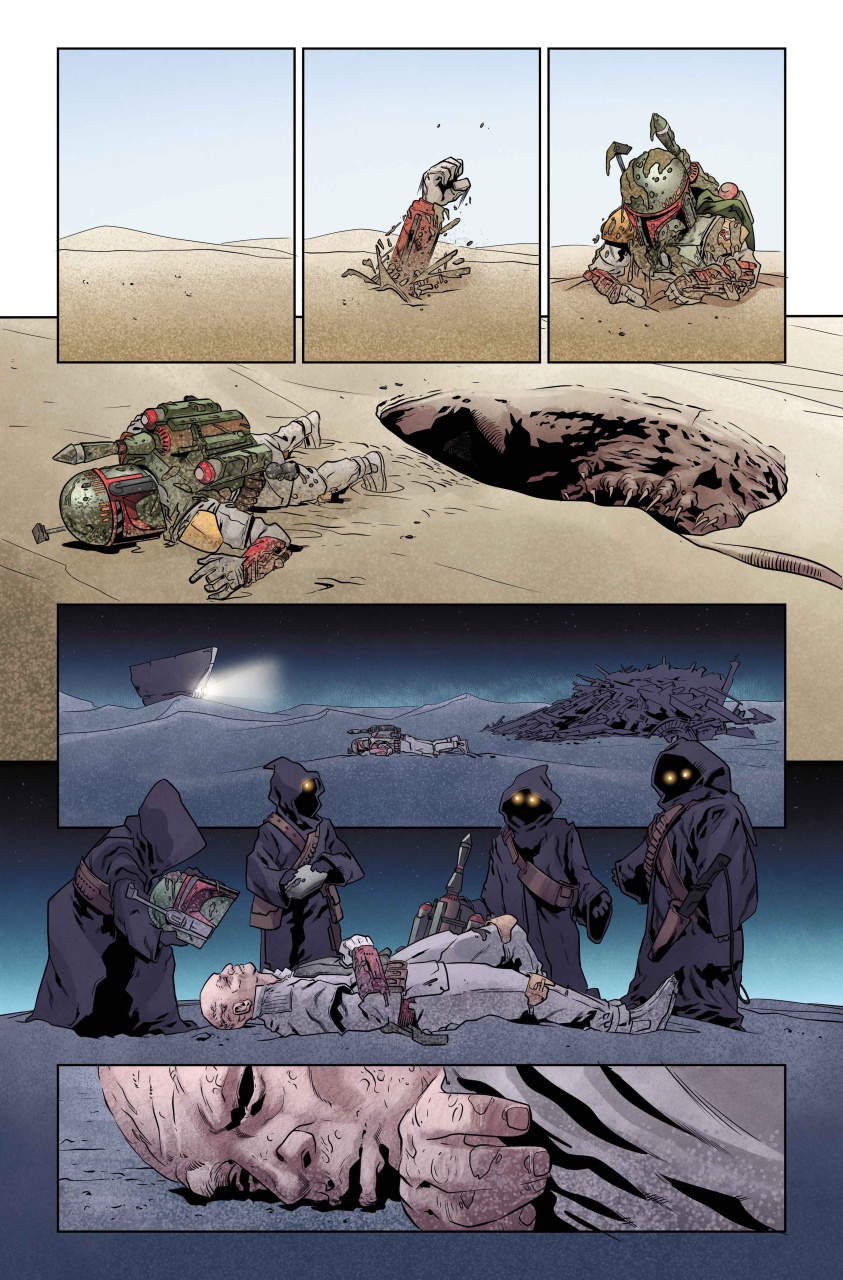
The Tusken material works for much the same reason. Long horizontal compositions emphasize how exposed Boba is in the desert. Silhouettes reduce some moments to almost primitive visual storytelling, while smaller panels accelerate the action during the creature fight.
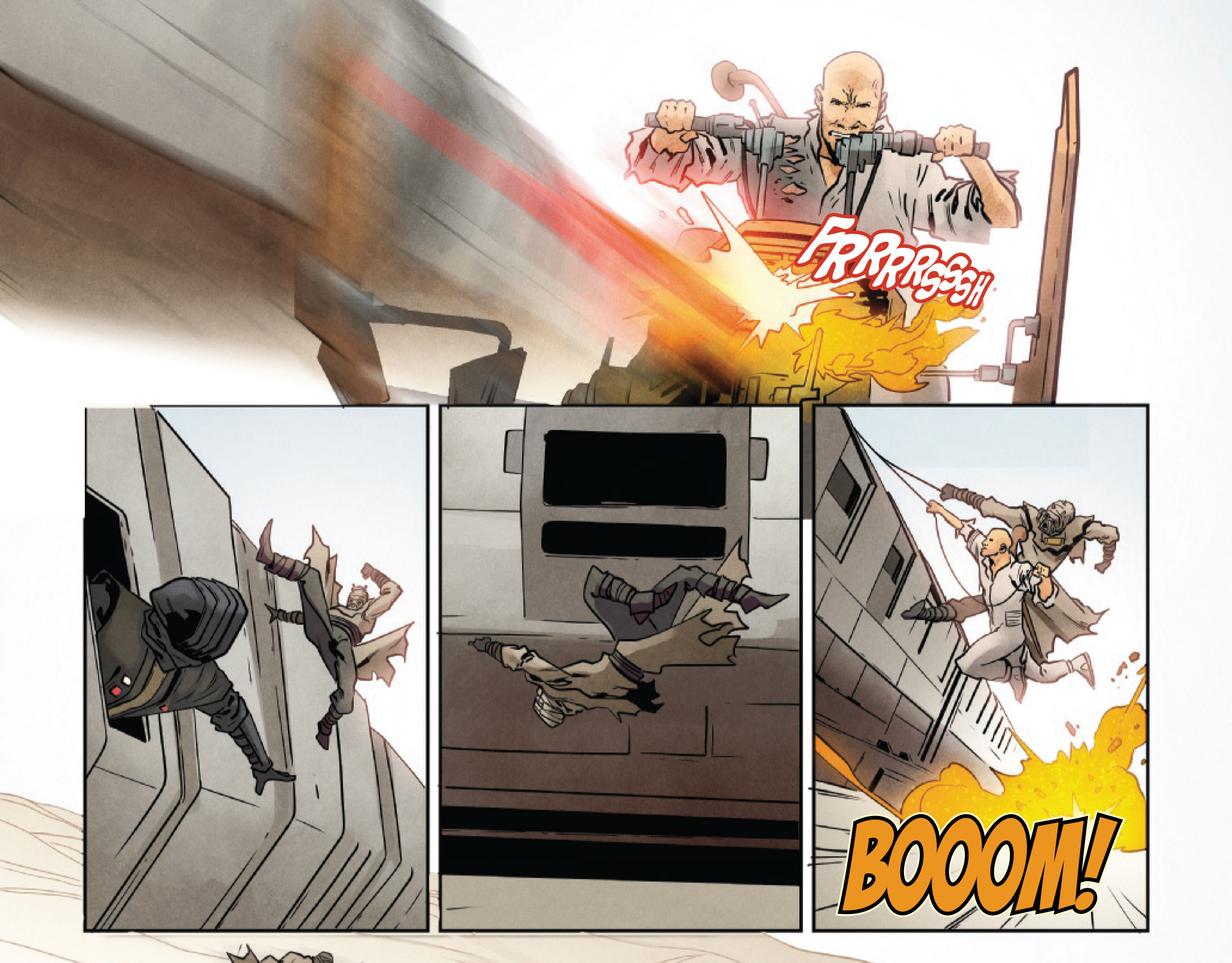
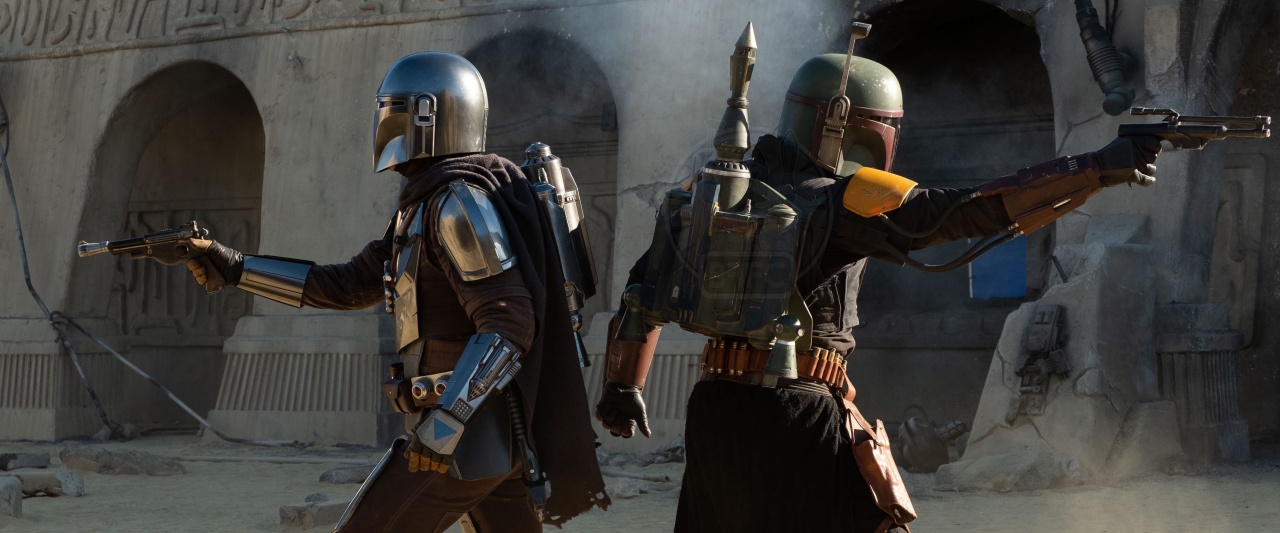
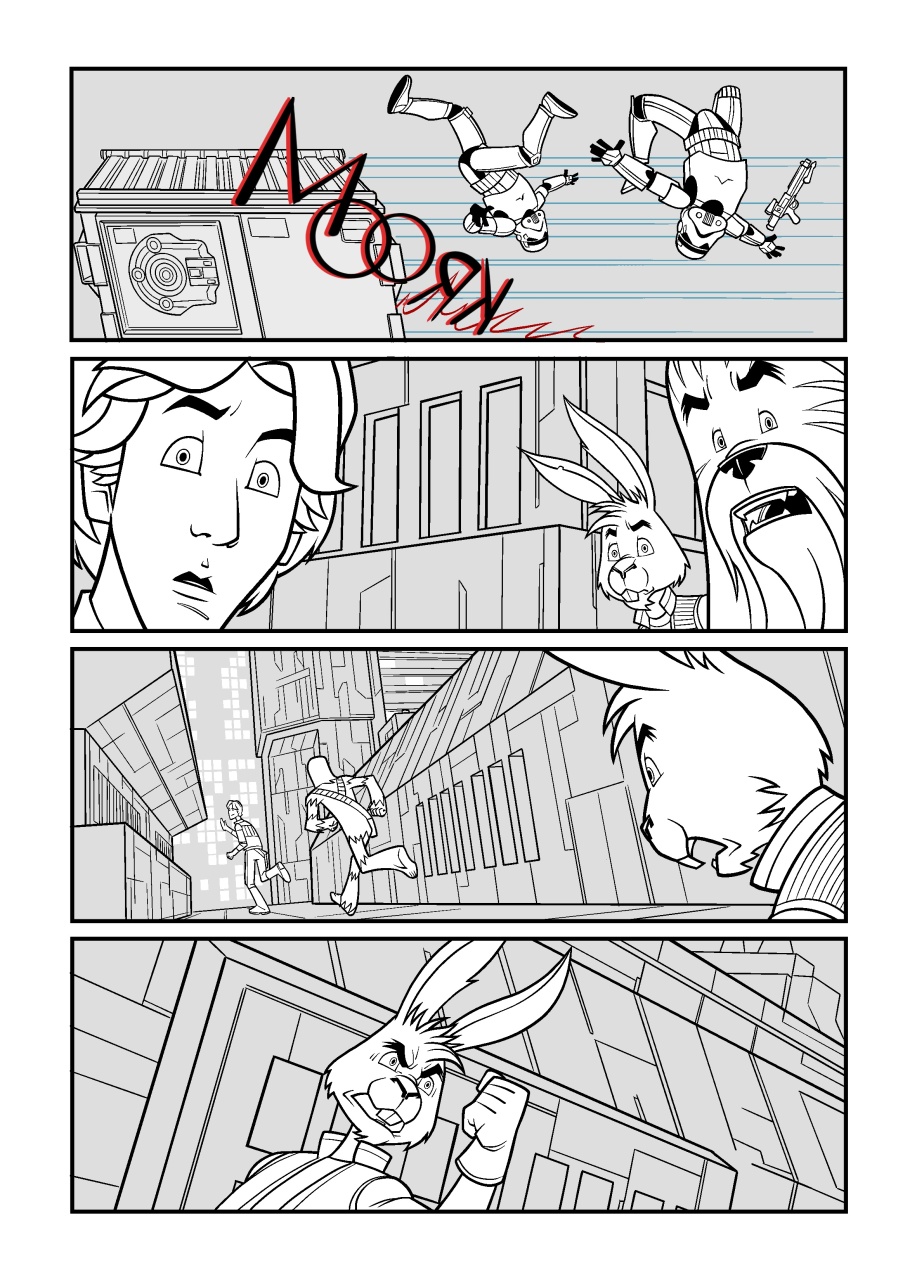
The Mos Espa ambush may be the showiest example. Figures cross panel boundaries, compositions overlap, panel widths shift, and Caramagna’s sound effects become part of the artwork itself.
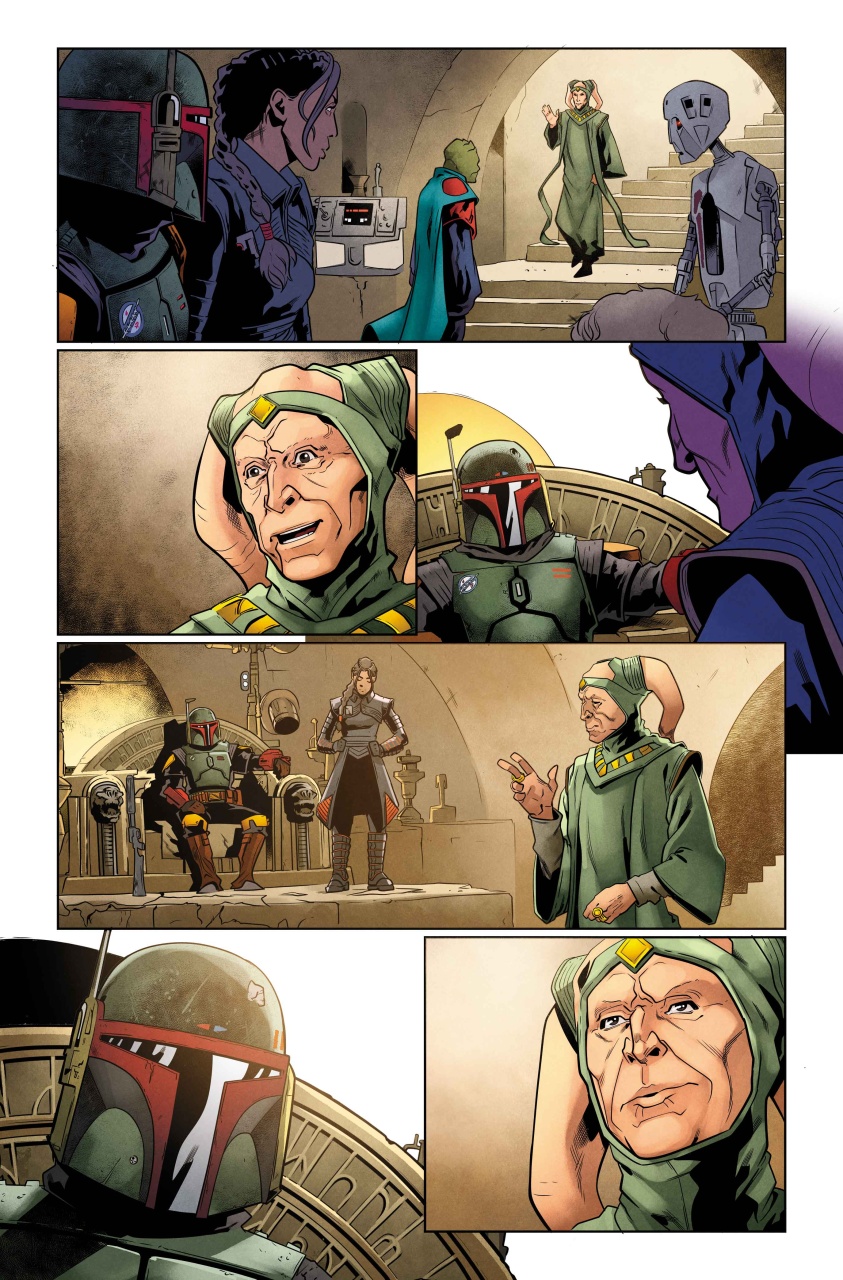
These sequences do not feel like screenshots arranged on a page. They have rhythm, and they make the strongest case for the adaptation because they use tools unique to comics.
They also make me wish the book were willing to take similar liberties with character.
Reading Boba Fett
There is another advantage comics have over television that feels especially relevant to this character.
Temuera Morrison can communicate a great deal without speaking. Television can linger on his face, his posture, his breathing and the physical exhaustion of what Boba has survived. Comics lose that performance, but they gain access to internal narration, subjective imagery and the ability to connect moments visually in ways live action generally cannot.
I would not want pages of Boba explaining himself to us. One of the things I have always loved about Fett is that we do not know everything he is thinking. The mystery is part of the character. But there is a lot of room between explaining Boba Fett and never letting us see anything from his perspective.
This particular story practically invites it. In the present, Boba tells Fennec that Jabba ruled through fear and that he intends to rule through respect. In the past, we watch him stripped of everything that once inspired both fear and respect. No armor, no weapons, no ship, no reputation. Nobody around him cares that he is Boba Fett. He has to earn standing again from nothing.
The television show already created that parallel, so the comic does not deserve credit for inventing it. But comics could make us more conscious of what the experience means to Boba. When he finally earns a small measure of respect from the Tuskens and is offered water after killing the creature, it is more than a survival beat. It is one of the first pieces of the man who will later insist that he wants to rule differently.
I would have liked the adaptation to spend a little more time there. Not explaining him. Just spending time with him.
Boba Fett has a history in comics
There is another reason I probably came to this adaptation with those expectations.
For longtime Fett fans, comics were one of the places where Boba Fett really became a character. The original Marvel comics of the late 1970s and 1980s already demonstrated how differently Star Wars could feel on the page. They came from a different comics tradition, with denser layouts, more captions, more conventional panel structures and flatter colors dictated partly by the printing technology of the period.
Then came Dark Horse.
For Fett fans in particular, the 1990s were important. Stories such as Bounty on Bar-Kooda, When the Fat Lady Swings, Murder Most Foul and Twin Engines of Destruction put Boba Fett back in the spotlight when there was still remarkably little established material about the man inside the armor. Twin Engines of Destruction, for example, gave Fett a story built almost entirely around his reputation, with an impostor in Mandalorian armor learning exactly how seriously Boba takes that reputation.
This was before Attack of the Clones, before Jango Fett and before we knew Boba’s childhood or even what his face looked like. Those stories had enormous freedom to decide who Boba Fett was.
They were often visually adventurous too. The Cam Kennedy Fett stories in particular had a look that was unmistakably their own, with exaggerated figures, strange environments and heavily stylized color. Even compared with much of Dark Horse’s other Star Wars output, they looked distinctive. They did not necessarily look much like the movies, but they undeniably looked like comics.
Obviously, Barnes and Sliney do not have that same freedom. They are adapting an existing television series, not filling enormous gaps in Fett’s history. But those earlier books demonstrated something that remains true: Boba Fett benefits when creators are allowed to explore the space around what we already know.
A very good-looking comic
Taken strictly on its visual merits, this is a strong book.
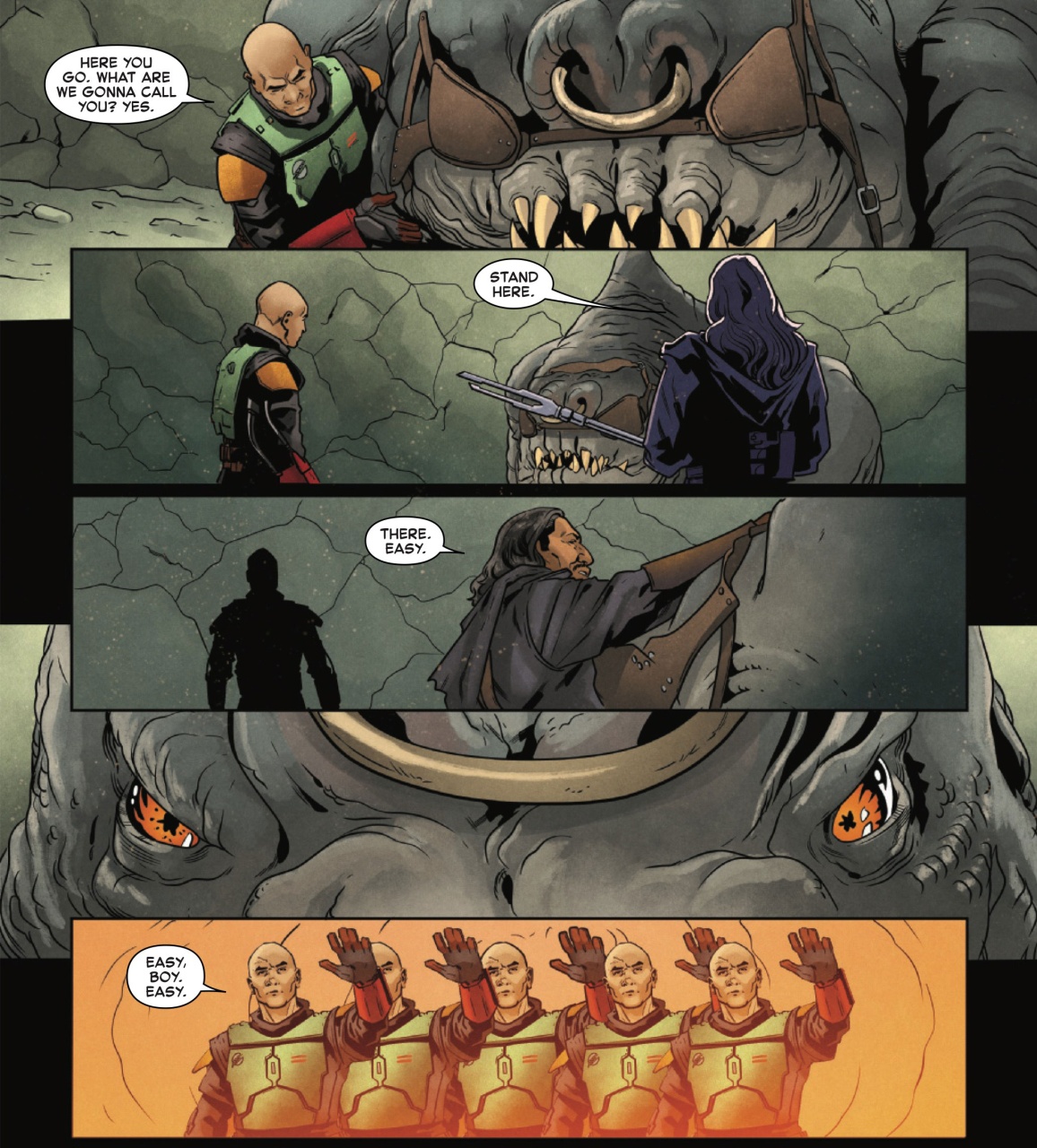
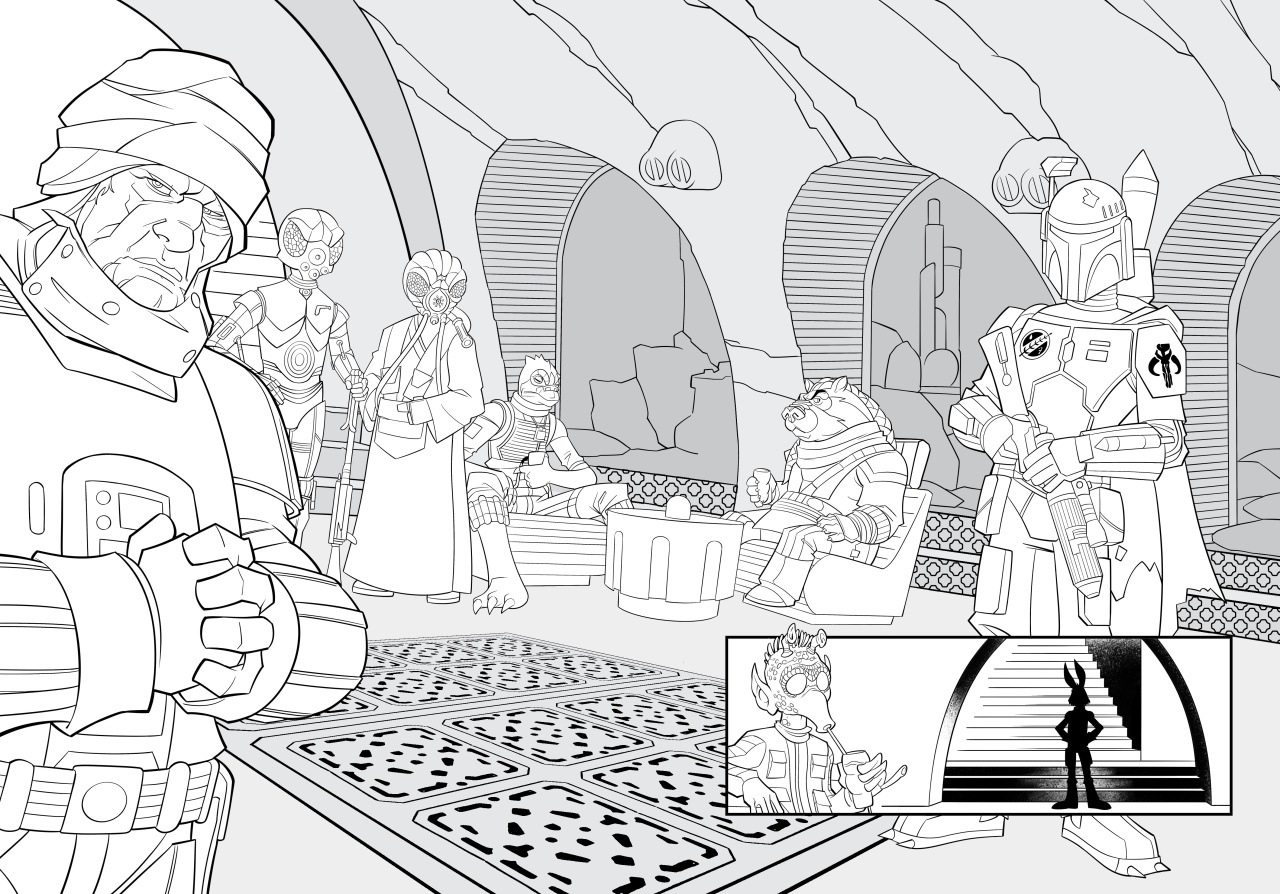
Sliney’s Boba is immediately recognizable both in and out of the armor, but he also avoids making every page look like a collection of traced television stills. Rosenberg’s colors do a lot of storytelling as well. The interior of the Sarlacc, the washed-out desert, the blue Tusken night scenes, the warm sandstone of Mos Espa and the bright energy shields during the street fight all have their own visual identities. Caramagna’s lettering is similarly effective. During dialogue scenes it stays out of the way, while during action the sound effects become part of the composition.
There is one likeness that repeatedly distracted me, however.
Fennec Shand often looks considerably younger in the interior artwork than Ming-Na Wen, to the point that she occasionally reminded me more of Hailee Steinfeld. That contrast is particularly noticeable because Maleev’s cover depiction of Fennec is much closer to Wen’s appearance.
I do not think a comics artist should be required to turn every panel into a portrait study. The old Marvel and Dark Horse books certainly did not work that way, and in general I prefer giving artists room to interpret characters. But in an adaptation that otherwise remains so visually close to a specific television production, the difference stands out. It is a minor complaint in an otherwise excellent-looking issue.
The strange advantage of controlling time
One unexpected benefit of the adaptation is that the comic changes the pacing of the original episode even while retaining essentially the same events.
Television decides how long you remain in a moment. Comics let you decide. A long walk through Mos Espa can pass in seconds, while a landscape panel can hold your attention much longer if you want to study the artwork. That reader-controlled pacing makes parts of this story feel brisker than they did on television.
There is a tradeoff. Morrison’s physical performance after the Sarlacc gave Boba’s condition weight. Watching him crawl, stumble and struggle forces us to remain with his exhaustion. In comics, the gutter between two panels can swallow several seconds of effort instantly.
Neither approach is inherently better, but it is another example of the story changing simply because the medium changed.
A strong adaptation, with room to become something more
The Book of Boba Fett #1 is a very good-looking, carefully constructed adaptation. Sliney, Rosenberg and Caramagna consistently find ways to make familiar scenes work as comics, while Barnes keeps the story moving without burying it in unnecessary exposition.
My reservation is simply that the book is more interested in fidelity than expansion. For readers who loved the show and want to revisit it in another medium, that may be exactly what they want. I came in hoping for a little more of the connective tissue, alternate perspective and character insight that some of the best Star Wars adaptations have given us in the past.
The encouraging part is that this first issue clearly has the talent to do it.
I hope the remaining issues give them a little more room to wander.
Rating
3 / 5



 Account